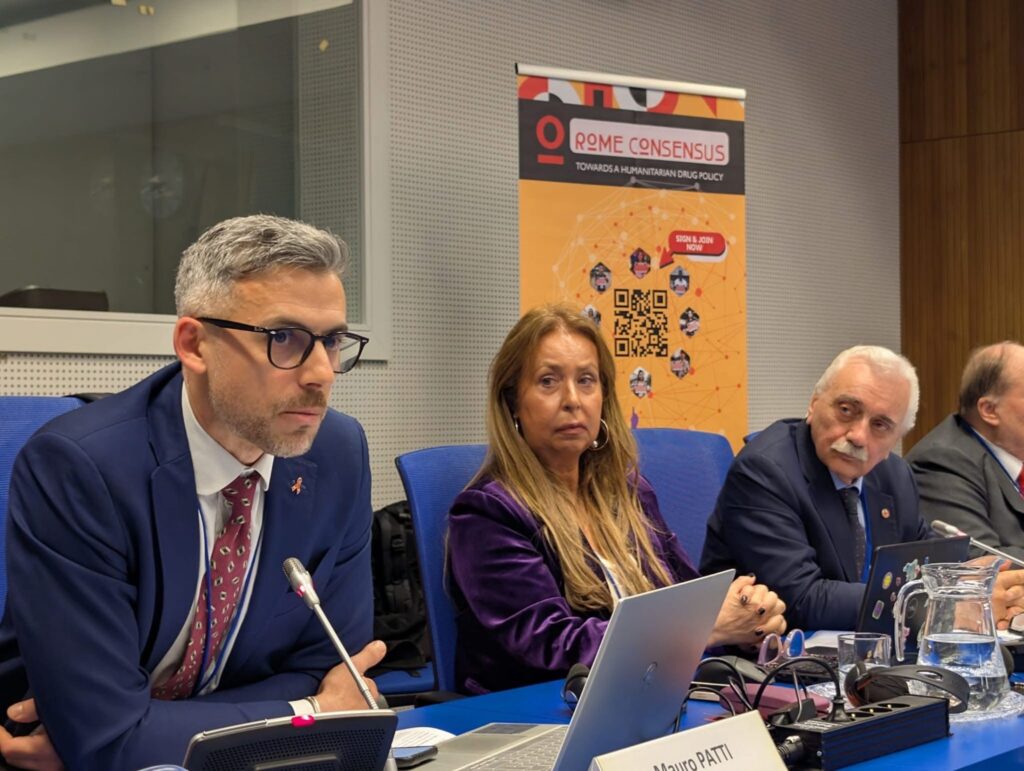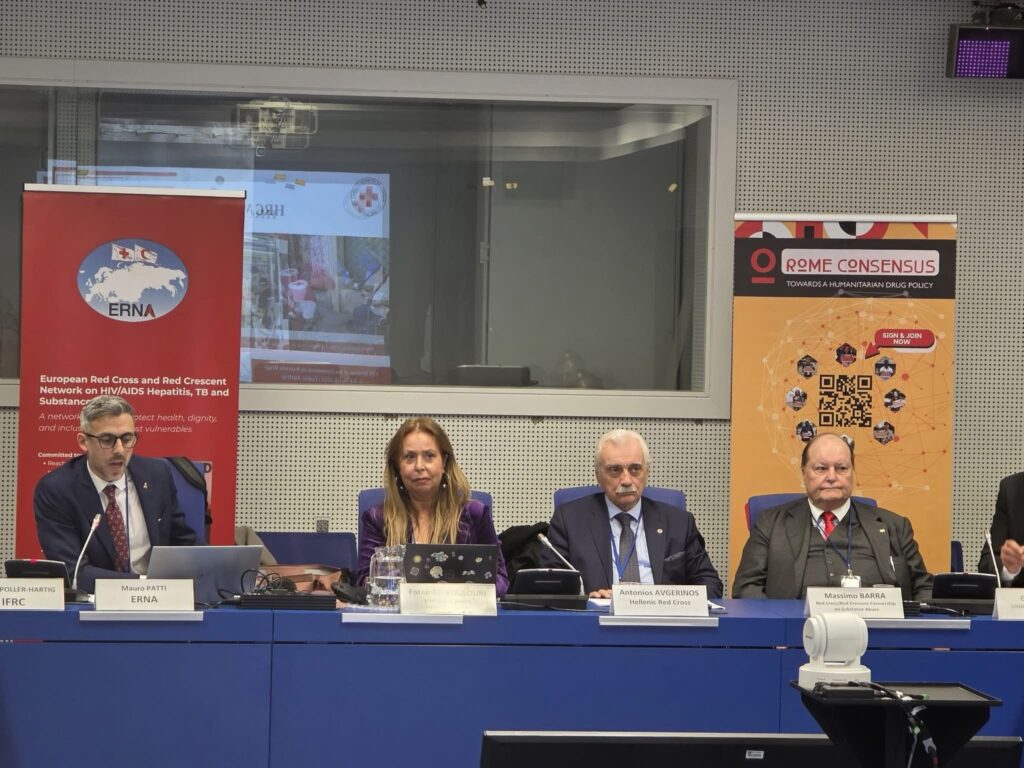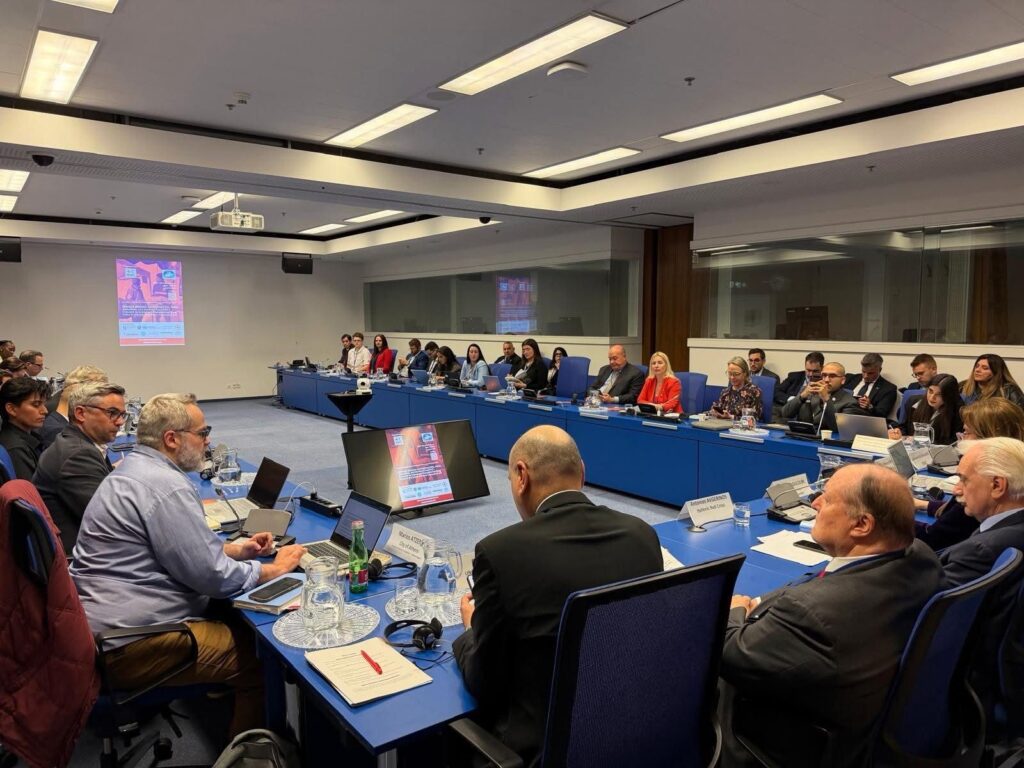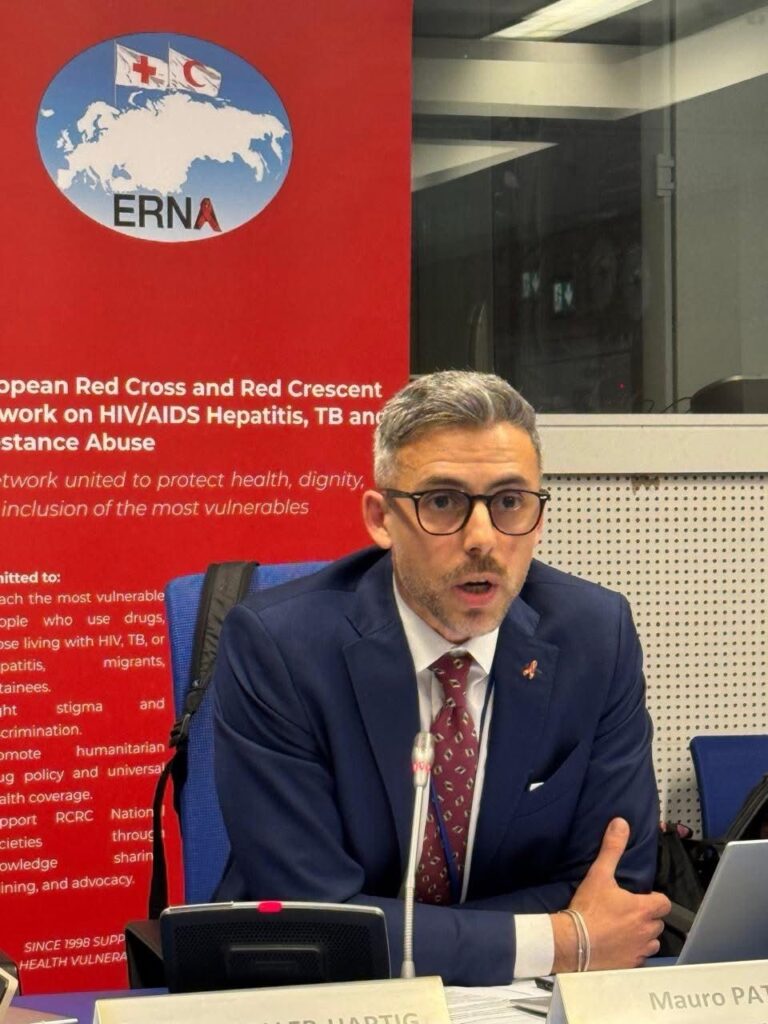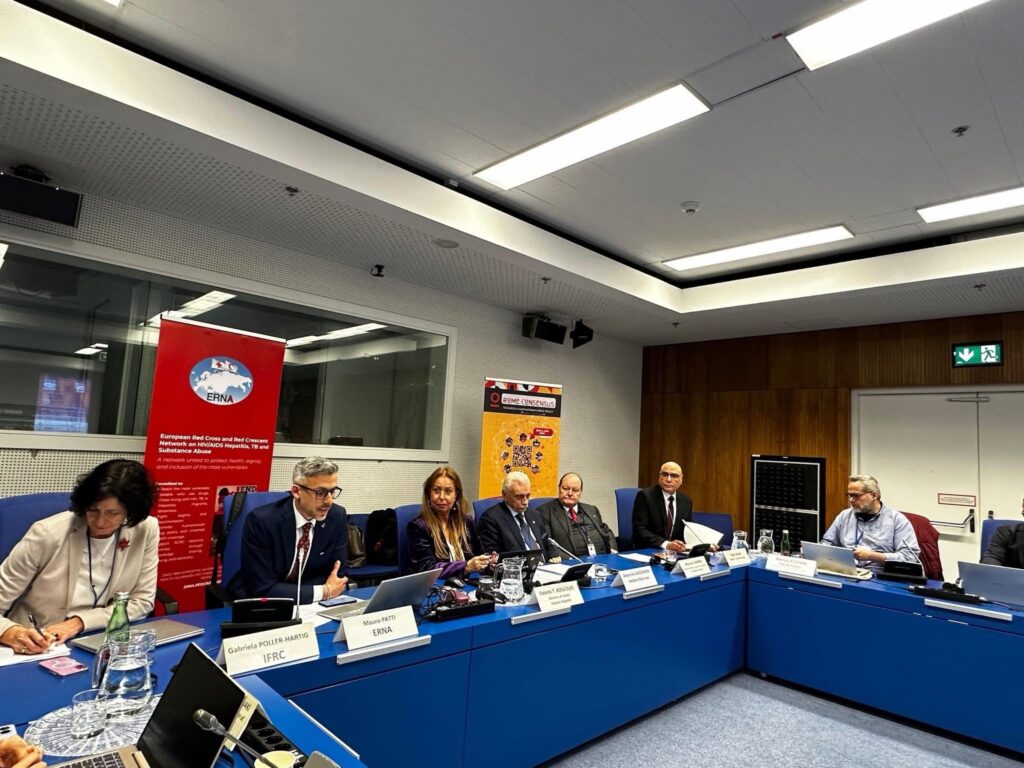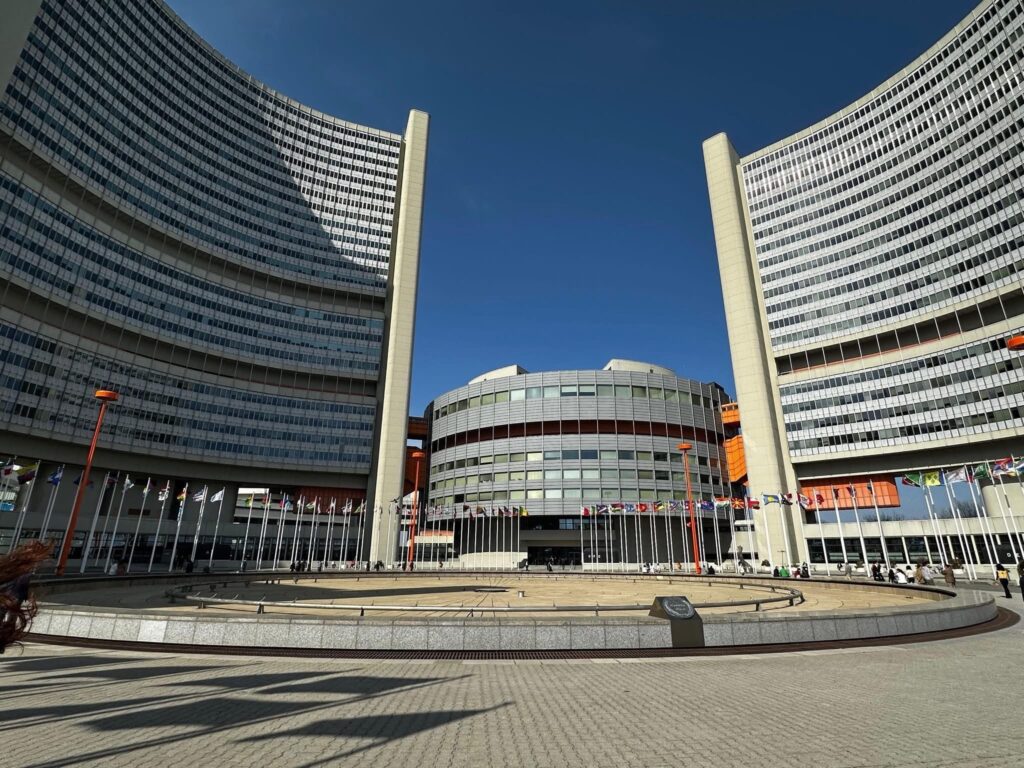
Vienna, 09 March 2026, ERNA, the European Red Cross and Red Crescent Network on HIV, TB, Hepatitis, and Substance Use, brought a strong humanitarian voice to the international stage during the 2026 United Nations Commission on Narcotic Drugs (CND), hosting a high-level side event focused on coordinated responses to drug-related health challenges.
Despite growing international support for health-centred drug policies, communities across Europe and beyond continue to face fragmented services, persistent stigma, and limited access to care. According to the UNODC World Drug Report 2025, an estimated 9.2 million people worldwide with drug use disorders remain without treatment, underscoring the urgency for practical, coordinated action.
A Call for Structured Cooperation and Sustainable Investment
In his opening remarks, Mauro Patti, President of ERNA, underlined the gap between political commitments and real practices on the ground:
“We do not suffer from a lack of declarations. We do not lack evidence. We suffer from a lack of structured cooperation and from insufficient investment in public health.”
Speakers from governments, UN agencies, municipalities, civil society, and humanitarian organisations echoed this message. While evidence-based, health-centred drug policies exist, their success depends on coordinated implementation across sectors, from national and local authorities to community actors and frontline responders.
When institutions and humanitarian organisations collaborate effectively, services stop competing and instead create a continuum of care, linking outreach, testing, treatment, recovery, and social reintegration.
The event also drew attention to initiatives such as the Rome Consensus 2.0, which provides a humanitarian framework for drug policies grounded in dignity, protection, and health.
Hellenic Red Cross Showcases a Model of Humanitarian Outreach
During the ERNA side event, Dr. Antonios Avgerinos, President of the Hellenic Red Cross, presented a powerful example of how humanitarian actors can strengthen community-based responses to HIV, hepatitis, sexually transmitted infections, and substance use.
Through mobile outreach teams operating in Athens, Thessaloniki, and several regional locations, the Hellenic Red Cross delivers:
- Rapid testing for HIV, Hepatitis B & C, and Syphilis
- Psychological First Aid and psychosocial support
- Direct referrals and accompaniment to public health services
In 2025, these community-based services reached approximately 8,500 people, including 990 rapid tests — many provided to individuals who had never previously accessed the health system.
This work is supported by hundreds of trained volunteers and professional staff, including nurses, social workers, psychologists, and cultural mediators.
Dr. Avgerinos highlighted the unique trust-building role of the Red Cross:
“The Red Cross emblem is one of the most powerful tools for building trust in sensitive environments. For people facing stigma or fear — such as people who use drugs, migrants, sex workers or individuals living on the streets — our emblem means safety, dignity and protection.”
A recent joint intervention in central Athens, conducted with national public health authorities, reached 273 homeless individuals with complex health needs, providing medical care, psychosocial support, and pathways to follow-up services.
Volunteers at the Heart of Community Health
Across the ERNA Network, Red Cross and Red Crescent volunteers are critical in reaching people often excluded from traditional health systems. Their contribution spans harm reduction, emergency and overdose response, and rapid testing, helping build trust where institutional systems often struggle to connect.
As Mauro Patti emphasized:
“If properly trained and supported, volunteers can play a vital role in prevention, outreach, and linking people to care.”
Looking Forward: Turning Commitments into Impact
ERNA reaffirmed its commitment to supporting National Societies in developing coordinated, humane, and evidence-based responses to substance use and infectious diseases. Stronger partnerships between public authorities, civil society, and humanitarian organisations are essential to transform policy commitments into meaningful change for communities.
ERNA will continue to foster collaboration, strengthen community health interventions, and amplify the voices of those most affected by health and social vulnerabilities.